This article is the direct opinion of Ivan Wahyu Hidayatulloh as our Consultant. This article has been carefully reviewed to provide accurateness and reliable information, ensuring high standards of quality, credibility, and trustworthiness.
Over the past several years in the world of creative economy, culinary arts and local culture have become powerful weapons in global tourism competition, even surpassing the appeal of nature-based destinations. Paradoxically, despite this global trend, Indonesia has yet to fully harness the potential of its own cultural richness.
Indonesia is endowed with traditions, culinary heritage, and cultural diversity that should serve as engines for economic growth. However, the reality shows that the sector’s contribution stemming from this cultural wealth has not yet reflected its true potential. Data from the Economic Research Institute for ASEAN and East Asia (ERIA) indicates that the creative economy contributed only about 4.50% to the economy in 2021.
On another front, the Ministry of Tourism and Creative Economy (Kemenparekraf) has noted that the tourism sector contributed only about 4.1% to GDP while simultaneously targeting an increase in creative product exports to 5.15%. This highlights a significant gap between potential and actual achievement, especially when global trends are shifting toward culinary tourism and cultural experiences that increasingly attract international visitors.
Unfortunately, the government has not been sufficiently aggressive in showcasing Indonesia on the international stage. In sharp contrast, countries like Thailand, Malaysia, Vietnam, and Singapore have been conducting vigorous overseas promotion campaigns, practicing culinary diplomacy, and consistently building their cultural brands. Indonesia, by comparison, still lags behind in this competitive race to introduce its creative identity to the world.
Also Read: Revitalizing Diplomacy Through Trade Amidst Global Dynamics
Added Value of the Creative Economy
Conceptually, culture, culinary arts, and tourism constitute sectors capable of creating significant added value by transforming local resources into unique products and experiences. Furthermore, this transformation enables premium pricing, opens wider markets, and strengthens employment absorption through more effective local value chains.
Tourist spending and consumption of cultural products also generate substantial multiplier effects that ripple across agriculture, transportation, and retail sectors.
Additionally, creative economy activities have the potential to expand exports of culture-based goods and services, which ultimately increases foreign exchange earnings and helps balance the trade deficit. This is especially true when combined with intellectual property protection and sound planning.
Investments in human resource quality, tourism infrastructure, marketing strategy, and regulation also become critical factors in enhancing long-term productivity growth.
The theory of ‘experience economy’ further emphasizes that authentic cultural and culinary experiences can drive tourist spending and prolong their length of stay. Nevertheless, all these possibilities can only be maximized if local value chains are fully interconnected and tourism development strategies are executed sustainably.
Indonesia’s Tourism Opportunities to Outperform ASEAN’s Culture-Based Countries
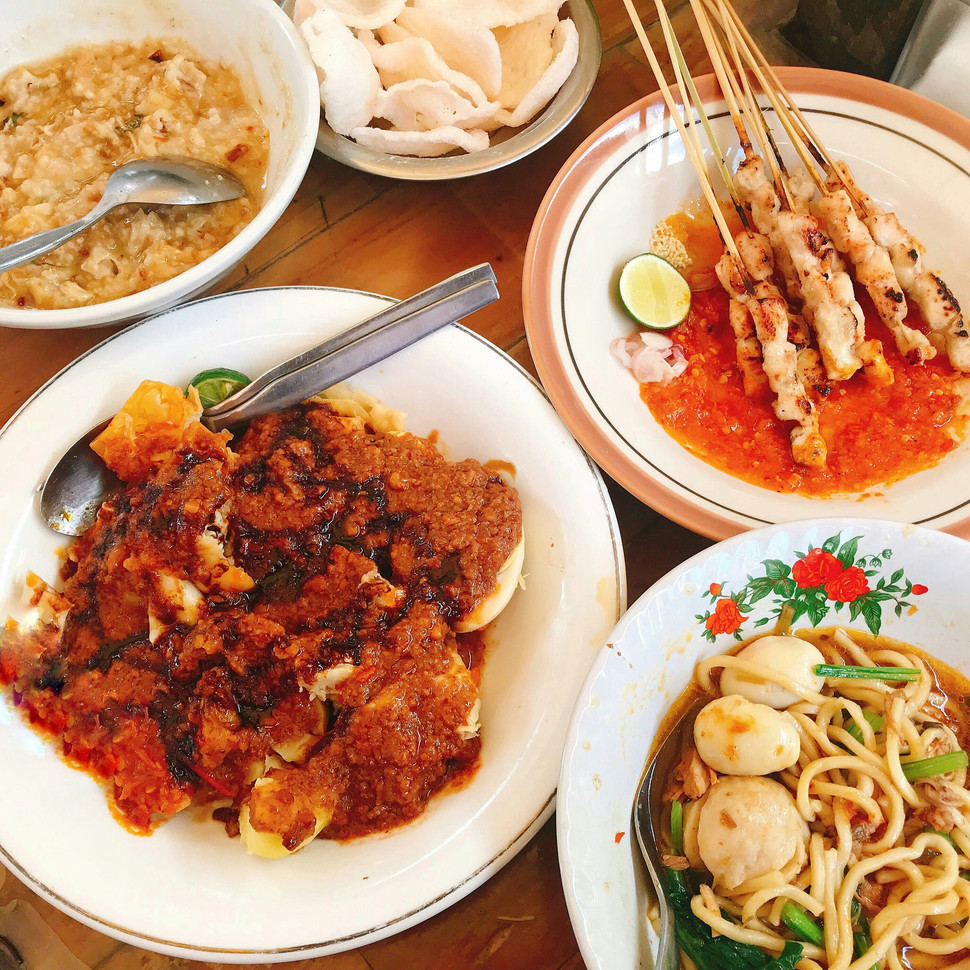
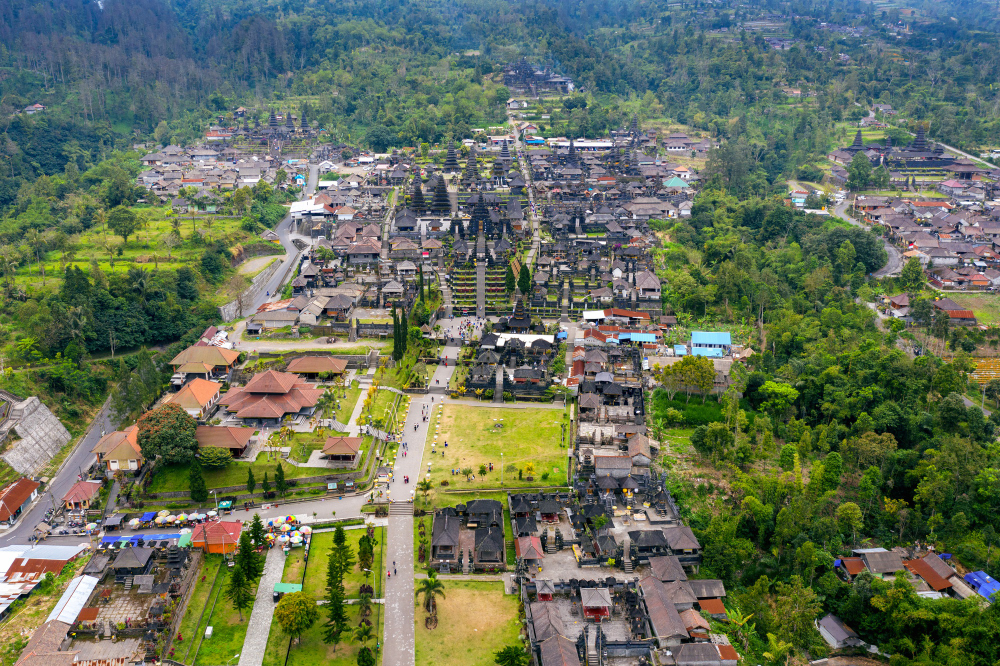
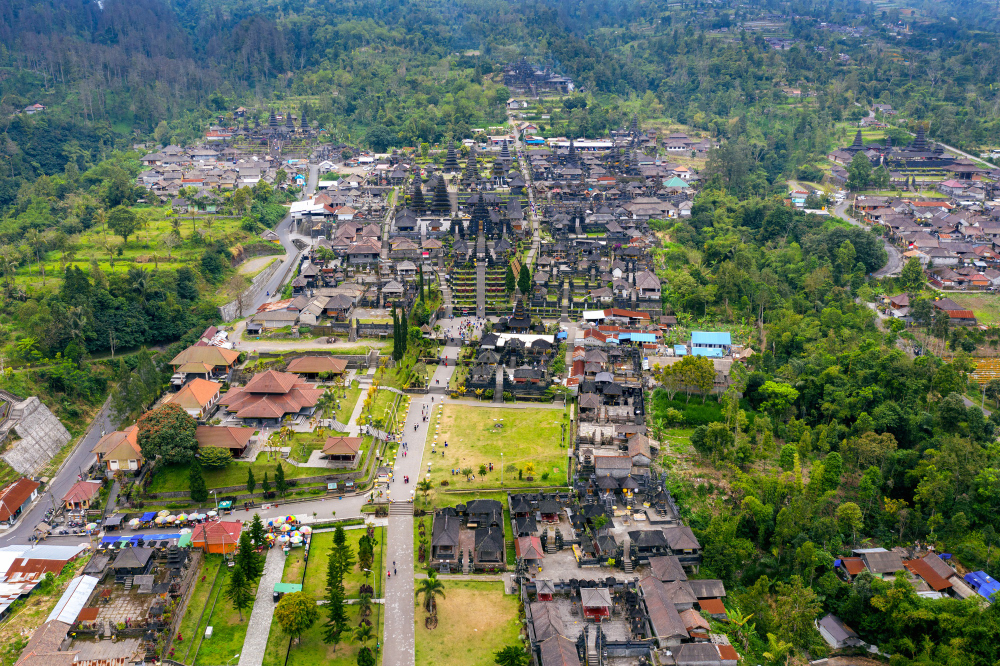
Indonesia possesses tremendous opportunity to transform its cultural wealth, diverse culinary offerings, and natural tourism into a more competitive growth engine. With hundreds of ethnic groups, traditions, and intangible cultural heritage, combined with culinary variations spanning from Sabang to Merauke, Indonesia holds product differentiation and tourism experience advantages that few other nations can match.
When compared with fellow ASEAN countries, Indonesia actually possesses superior assets: a larger population, deeper cultural resources, and significant potential for experience-based tourism development. However, these advantages have yet to be fully leveraged into global appeal in the way that Thailand has done through aggressive culinary branding or Singapore through high-value creative services and a far more advanced intellectual property ecosystem.
In 2019, Indonesia recorded 16.1 million international tourist arrivals generating approximately USD 18 billion in revenue. For comparison, Thailand attracted nearly 40 million tourists, while Singapore received around 19 million visitors with per-visit spending even higher. These figures demonstrate that despite Indonesia’s far richer cultural diversity, the tourism sector’s contribution still holds enormous expansion potential—potentially even surpassing Thailand and Singapore if managed properly.
The United Nations Conference on Trade and Development (UNCTAD) explains that countries capable of packaging their cultural uniqueness and building experience-based marketing strategies can increase tourist spending and creative service exports substantially. This presents a very clear opportunity for Indonesia, provided that local value chain integration is strengthened, intellectual property protection is enforced, and service quality is elevated.
At the same time, demographically smaller ASEAN neighbors often prove more agile in responding to digital innovation and creative economy trends. This naturally becomes a challenge for Indonesia to accelerate improvements in creative talent quality, build adequate tourism infrastructure, and expand financing access for creative MSMEs as the backbone of the tourism industry.
The significant potential of culture-based creative economy—encompassing culture, culinary arts, and tourism—in Indonesia remains hindered by recurring structural issues. Weak coordination between ministries and local governments, along with inconsistent policy implementation, causes various infrastructure investments and promotional programs to fall short of their full potential.
Moreover, limited financing availability and the dominance of informal MSMEs make it difficult for business operators to scale up and upgrade their operations.
Another equally important challenge is uneven physical infrastructure and digital connectivity. These conditions leave many destinations in remote areas unable to fully benefit from tourism’s economic advantages.
Simultaneously, disparities in human resource quality, ranging from managerial capabilities and digital marketing skills to service standardization, reduce the competitiveness of experience-based products that should be Indonesia’s primary strength.
Weak intellectual property protection and limited export capabilities also mean that cultural added value is easily eroded. The lack of accurate data and adequate indicators further hampers policy formulation efforts.
Furthermore, this sector is highly vulnerable to external shocks such as pandemics and fluctuating tourist flows, while lengthy bureaucratic processes and inflexible regulations often impede innovation and global market branding efforts.
To overcome all these obstacles, Indonesia requires an integrated and sustainable strategy. Strengthening policy coordination and improving national data systems must proceed in parallel with accelerated infrastructure development and expanded digital access.
At the business operator level, inclusive financing instruments, practice-oriented training programs, and business incubation for creative MSMEs are essential. Additionally, intellectual property protection mechanisms and export facilitation must be reinforced, while marketing digitalization and tourism service standardization need to be implemented comprehensively.
If these steps are executed consistently, Indonesia can leverage its scale, cultural diversity, and creative strength to generate more sustainable economic growth and foreign exchange earnings.
Indonesia does not lack creativity, what is lacking is the courage to showcase itself and compete internationally. When global promotion, policy coordination, and empowerment of creative entrepreneurs move in sync, our culture and culinary heritage can become sources of foreign exchange that rival even our top commodity exports.