

Measuring performance management in a business is a common parameter used to ensure that employee and team performance aligns with company objectives. This measurement also helps management determine whether targets have been achieved, how each individual contributes, and which areas need improvement.
Measuring performance management involves more than simply looking at final results or target achievements. Companies also need to evaluate the clarity of expectations, quality of feedback, objectivity of assessments, employee development programs, and reward systems in place.
Therefore, there are five approaches companies can use to measure the effectiveness of performance management, ranging from setting targets to providing recognition and rewards for performance. Explore the following explanations!
1. Setting Clear Expectations (Goal Setting)

Setting expectations is the initial stage in measuring performance management. Companies first need to ensure that every employee understands the targets, responsibilities, work standards, and success indicators they are expected to achieve.
One approach that can be applied is the SMART method (Specific, Measurable, Achievable, Relevant, Time-bound). This method helps companies establish targets that are more specific, measurable, realistic, relevant to organizational objectives, and have a defined timeframe for achievement.
Measurement can be conducted by comparing established targets with employees’ actual results. Indicators such as KPI (Key Performance Indicators) achievement, productivity, work quality, and timeliness can be used according to the characteristics of each position.
Clear expectations can help reduce differences in understanding between management and employees. As a result, the evaluation process has a more objective reference point, and each individual understands the contributions expected from their role.
Discover More : Eliminating Silo Mentality: How to Use the RACI Matrix for Team Accountability
2. Continuous Monitoring (Continuous Feedback)

Performance management needs to be monitored regularly so companies can track employee performance throughout the working period. Continuous monitoring enables management to identify obstacles earlier, evaluate interim achievements, and provide guidance before problems affect final results.
One approach that can be implemented is through one-on-one sessions, regular discussions between supervisors and employees, and monitoring work progress based on predetermined indicators. Feedback should also be delivered in a specific, relevant, and improvement-oriented manner.
The effectiveness of this monitoring can be measured through the frequency of feedback, completion of follow-up actions, progress toward targets, and employee responses to the guidance provided.
Through consistent monitoring, companies no longer need to wait for annual evaluations to identify declining performance or development needs. This process also helps establish more open communication between employees and management.
3. Objective Evaluation (Performance Assessment)
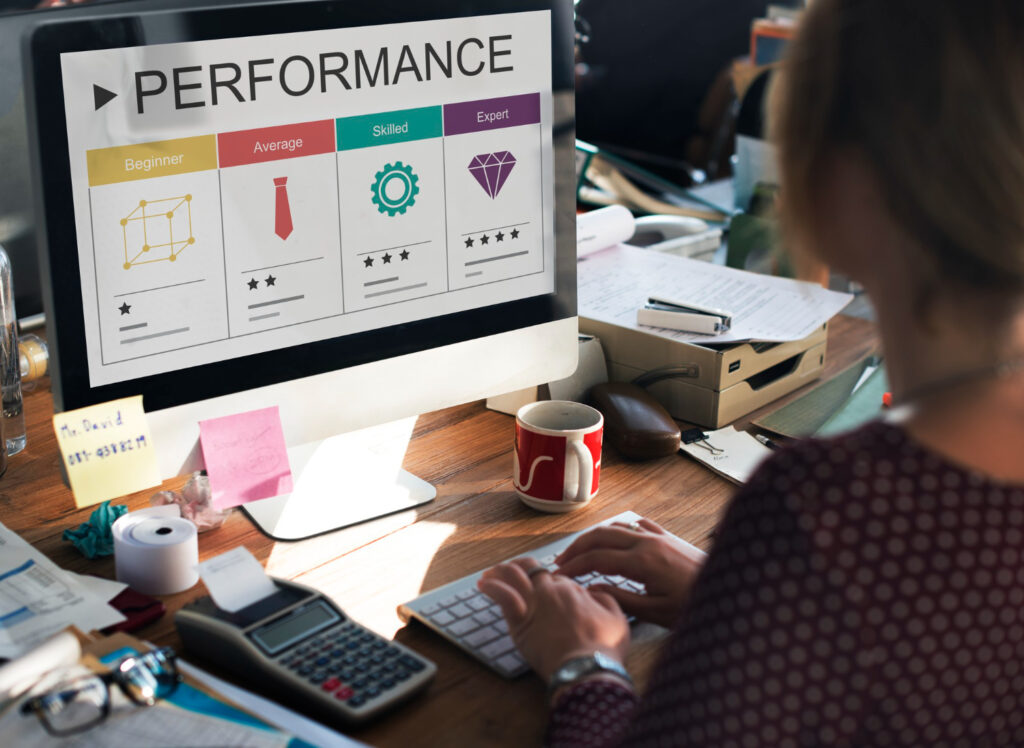
Objective evaluation is an assessment process used to measure employee achievements and contributions based on established performance standards. This stage also helps companies determine the extent to which individuals and teams have met job expectations.
Assessments can be conducted using several indicators, such as KPI achievement, work quality, productivity, discipline, and teamwork skills. Companies can also apply the 360-degree feedback method by collecting evaluations from supervisors, colleagues, subordinates, and other relevant parties.
To ensure more accurate assessment results, companies need to apply consistent criteria that align with the responsibilities of each position. Evaluators also need to avoid subjective biases, such as placing too much emphasis on personal impressions or considering only an employee’s performance during the most recent period.
The results of a performance assessment can be used to identify achievements, competency gaps, and areas of work that require improvement. With structured evaluations, companies have a stronger foundation for making decisions related to career development and performance improvement.
4. Development and Improvement (Development Planning)

Measuring performance management also needs to consider how effectively a company develops employee competencies. Performance evaluation results should not only be used to provide assessments but also serve as a basis for designing development programs that address individual and organizational needs.
Companies can measure this aspect through the achievement of training targets, competency improvements, skill development, and employees’ success in applying new knowledge in the workplace.
Several approaches can be implemented include professional training, mentoring, coaching, and assignments that provide new experiences. These programs also need to be aligned with the competency gaps identified during the evaluation process.
Meanwhile, the effectiveness of these programs can be assessed by examining changes in performance before and after implementation. Companies also need to evaluate whether competency improvements have an impact on productivity, work quality, and the achievement of organizational targets.
With well-directed development planning, performance management can become part of a continuous process of improving human resource capabilities.
Discover More : Hypothesis-Driven Problem Solving: How Consultants Quickly Break Down Complex Problems
5. Recognition and Reward

Recognition and reward are components of performance management related to acknowledging and rewarding employee contributions. Their implementation helps companies appreciate achievements while encouraging employees to maintain or improve the quality of their work.
Recognition can be provided through verbal appreciation, acknowledgment of achievements, or opportunities to take on greater responsibilities. Meanwhile, rewards generally take the form of financial compensation, performance bonuses, incentives, or additional benefits based on company policies.
The effectiveness of recognition and reward systems can be measured through several indicators, such as target achievement rates, employee participation, retention rates, results from employee satisfaction and engagement surveys (employee engagement).
Companies need to ensure that rewards are given based on transparent, consistent criteria that linked to actual contributions. An unfair reward system can instead create dissatisfaction and unhealthy competition in the workplace.
Conclusion
Measuring performance management requires a comprehensive approach, ranging from setting expectations, continuous monitoring, and objective evaluations to competency development and the provision of recognition and rewards.
These five aspects are interconnected in ensuring that employee performance remains aligned with company objectives. Effective measurement does not focus solely on achieving targets but also considers work processes, individual development, and contributions to the organization.
Companies also need to conduct regular evaluations to ensure that their performance management systems remain relevant to business needs and changes in the work environment.
Arghajata Consulting helps companies develop human resource management strategies and improve organizational effectiveness through a structured consulting approach.