
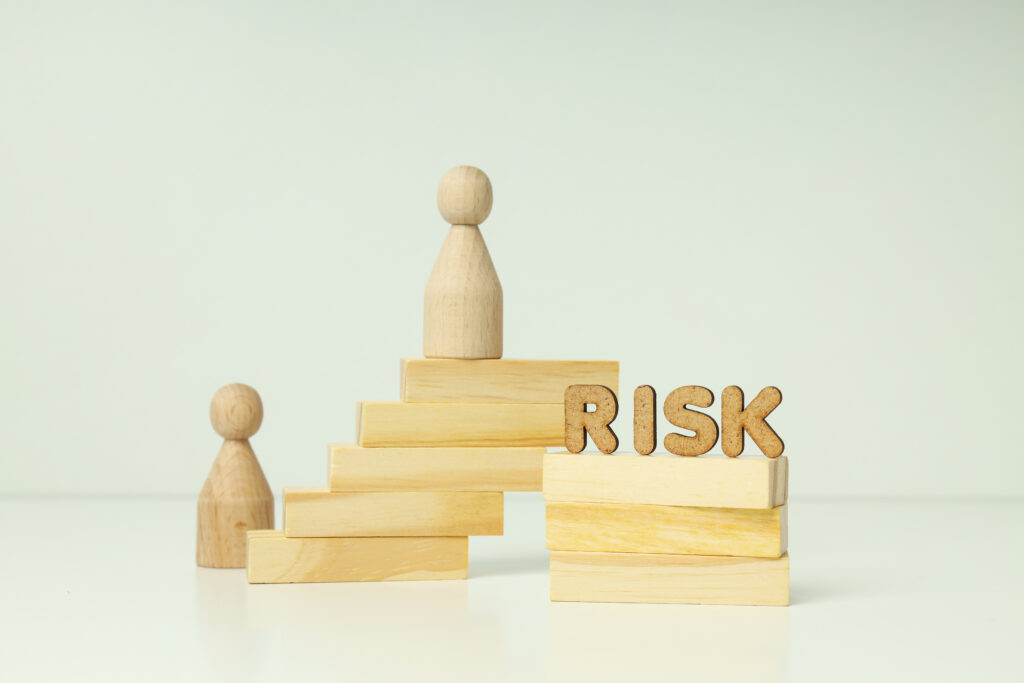
Many companies have suffered significant losses due to their failure to anticipate risks. Inability to manage risks does not only harm organizations financially, but also damages reputation and erodes stakeholder trust. Therefore, risk management is now considered an essential part of business strategy.
Through risk management, companies can identify, analyze, and design mitigation steps against potential threats. With a comprehensive understanding, businesses are able to build resilience, strengthen competitiveness, and make strategic decisions with greater confidence in today’s dynamic and highly pressured business environment.
Definition of Risk Management in Business

According to the international standard ISO 31000, risk management is a process integrated into corporate governance, business strategy, and operational planning. This means risk management is not a standalone activity, but rather embedded into every business decision—from operational level to top management.
In the business context, risk management includes two key aspects:
- Protective: safeguarding the company against financial losses, operational disruptions, or reputational damage.
- Progressive: helping organizations leverage risks as opportunities for innovation, process improvement, and competitive advantage.
Thus, risk management is no longer merely a defensive mechanism but also a strategic approach to ensure long-term sustainability and growth.
Discover More : Operational Efficiency: Strategies to Reduce Costs Without Sacrificing Quality
Framework for Effective Risk Management

Strong risk management goes beyond simply recognizing threats; it ensures that integrated systems across business activities function effectively. This framework enables companies to face uncertainties in a structured and systematic way. The main stages include:
Risk Identification
The first step is identifying potential risks that may affect business objectives. This involves mapping both internal sources (such as processes, technology, human resources) and external sources (such as markets, regulations, or global economic conditions). Companies can use brainstorming sessions, stakeholder interviews, and historical risk analysis to uncover risks.
Risk Analysis and Assessment
Once identified, risks must be analyzed to determine their severity. This is done by evaluating:
- Probability (likelihood): the chance of the risk occurring.
- Impact: the potential consequences if the risk materializes.
The results are often visualized in a risk matrix, allowing management to prioritize which risks need immediate attention.
Risk Mitigation
The next stage is developing strategies to manage risks. Common approaches include:
- Avoidance : stopping or avoiding high-risk activities.
- Reduction : minimizing the likelihood or impact of risks through controls and procedures.
- Transfer : shifting risks to other parties, such as via insurance or outsourcing.
- Acceptance : accepting certain risks when potential benefits outweigh the drawbacks.
Monitoring and Review
Risks are dynamic—relevant today but possibly outdated tomorrow. Continuous monitoring and regular evaluations are crucial to ensure mitigation strategies remain effective. This also helps businesses update their risk maps according to new technologies, regulatory changes, or evolving circumstances.
Integration with Business Strategy
As highlighted earlier, risk management should not operate separately from business planning. Proper integration ensures that every strategic decision—such as market expansion, product development, or long-term investment—takes into account potential risks and mitigation strategies. In this way, risk management becomes not just a safeguard but also a source of competitive advantage.
Discover More : Understanding Standard Operating Procedure (SOP) as the Pillar of Organizational Governance
Case Study: Successful Implementation of Risk Management

A strong example of successful risk management implementation can be seen in the Johnson & Johnson Tylenol Crisis of 1982. At that time, several deaths in the United States occurred after Tylenol capsules had been sabotaged with cyanide. The incident severely threatened the company’s reputation, as Tylenol was one of its flagship products with a major market share.
Instead of covering up the crisis, Johnson & Johnson made a bold and risky move: they immediately recalled all Tylenol products from the market, despite the massive financial losses. The company also communicated openly with the public, collaborated with regulators, and introduced safer, tamper-proof packaging.
This transparent and proactive risk management strategy paid off. Within just one year, Tylenol regained its lost market share, and Johnson & Johnson emerged stronger with a reputation for prioritizing consumer safety.
The Tylenol case demonstrates how proactive and transparent risk management can restore public trust and strengthen market position. It proves that effective risk management not only saves businesses but also paves the way for sustainable growth.
From the discussion above, it is clear that risk management is not merely an administrative obligation, it is a fundamental pillar of business sustainability. Risks will always exist, whether operational, financial, or reputational. However, with a systematic framework, visionary leadership, and effective strategies, organizations can transform threats into opportunities to enhance resilience and competitiveness.
If you want to ensure your business is more resilient in the face of uncertainty, now is the time to make risk management a strategic priority. Arghajata Consulting is ready to support you in designing a risk management framework tailored to your organization’s needs, helping you make every business decision with greater confidence.