
Revitalizing Diplomacy Through Trade Amidst Global Dynamics
International trade is not just about balancing surplus and deficit. For Indonesia, it is both an economic pillar and a tool of diplomacy.

International trade is not just about balancing surplus and deficit. For Indonesia, it is both an economic pillar and a tool of diplomacy.
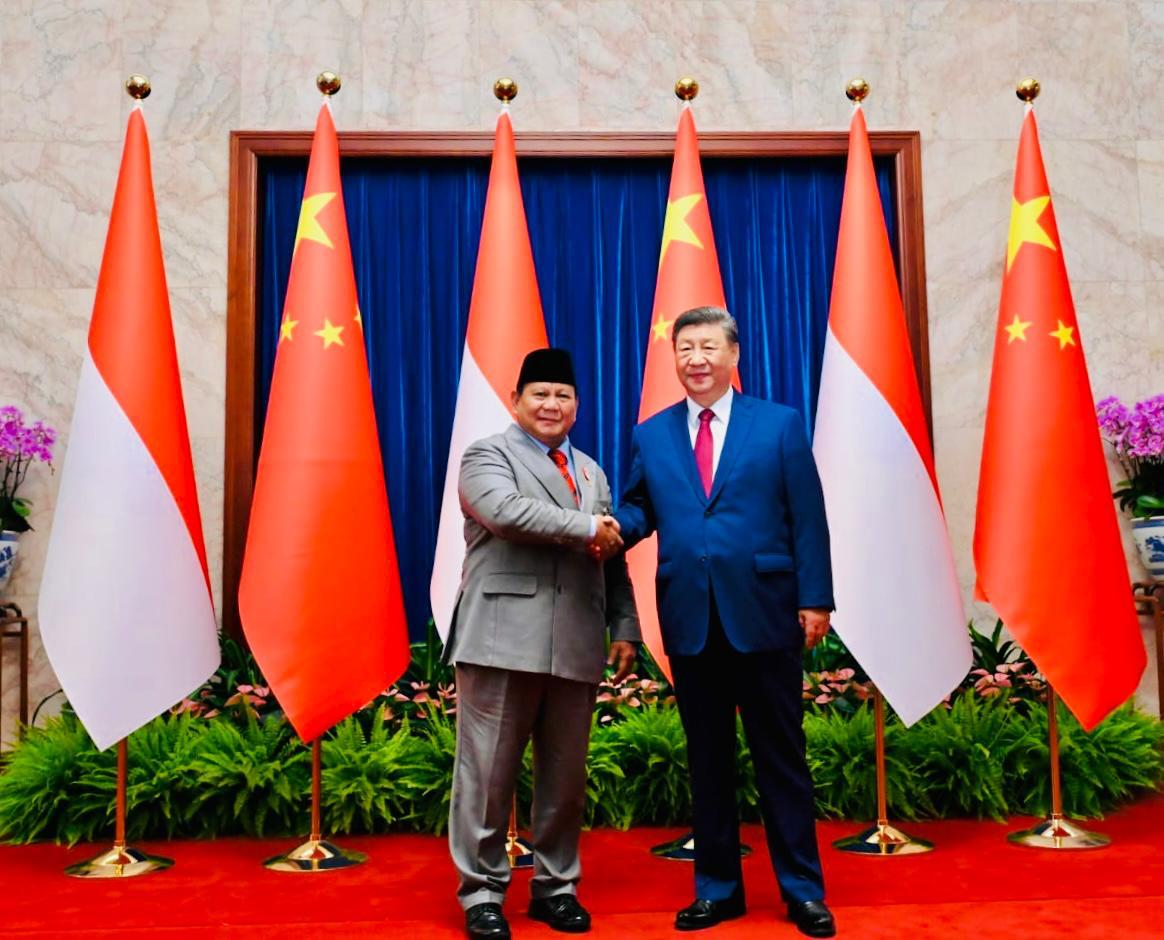
President Prabowo’s visit to Beijing amid domestic unrest has stirred debate. Was it a tone-deaf move, or a calculated diplomatic strategy to reinforce Indonesia’s global standing?

According to the international standard ISO 31000, risk management is a process integrated into corporate governance, business strategy, and operational planning. This means risk management is not a standalone activity, but rather embedded into every business decision—from operational level to top management.

The adoption of the New York Declaration by the UN General Assembly marks an important step toward peace and stability in the Middle East.

A Standard Operating Procedure (SOP) is an official document that contains standards, instructions, or steps that must be followed by every individual in an organization. Its main purpose is to create order so that workflows are carried out according to established standards, without relying on personal interpretation that often causes delays or disruptions in the process.

Operational efficiency is not a one-time initiative; it is a continuous process that should be embedded into the organization’s culture. With this approach, companies are able to maintain stability, strengthen competitiveness, and maximize the value of every operational decision.

Networking in consulting is not just about building relationships—it is about creating a long-term foundation that can sustain professional growth. A strong network enhances credibility, opens doors to new collaborations, and positions consultants as trusted partners in diverse business environments.

Restructuring is often compared to a “major surgery” for a company. The methods may vary: some focus on financial health, others on organizational design, and some on realigning business strategies to remain relevant. Yet, the overarching goal remains the same — ensuring the company stays adaptive and competitive amid constant change.

Today, innovation is no longer an option but a necessity. Companies that rely only on outdated approaches without refreshing their mindset tend to fall behind, as changes in markets, technology, and consumer behavior happen very quickly. Innovation is not always about creating something entirely new, but rather about finding approaches that are more effective, efficient, and relevant to current needs.

Understanding marketing principles alone is not enough; companies must also determine which techniques are most relevant to ensure strategies truly work effectively. Among the many options and approaches, the key to successful marketing lies in the ability to choose methods that match consumer characteristics while aligning with business goals.