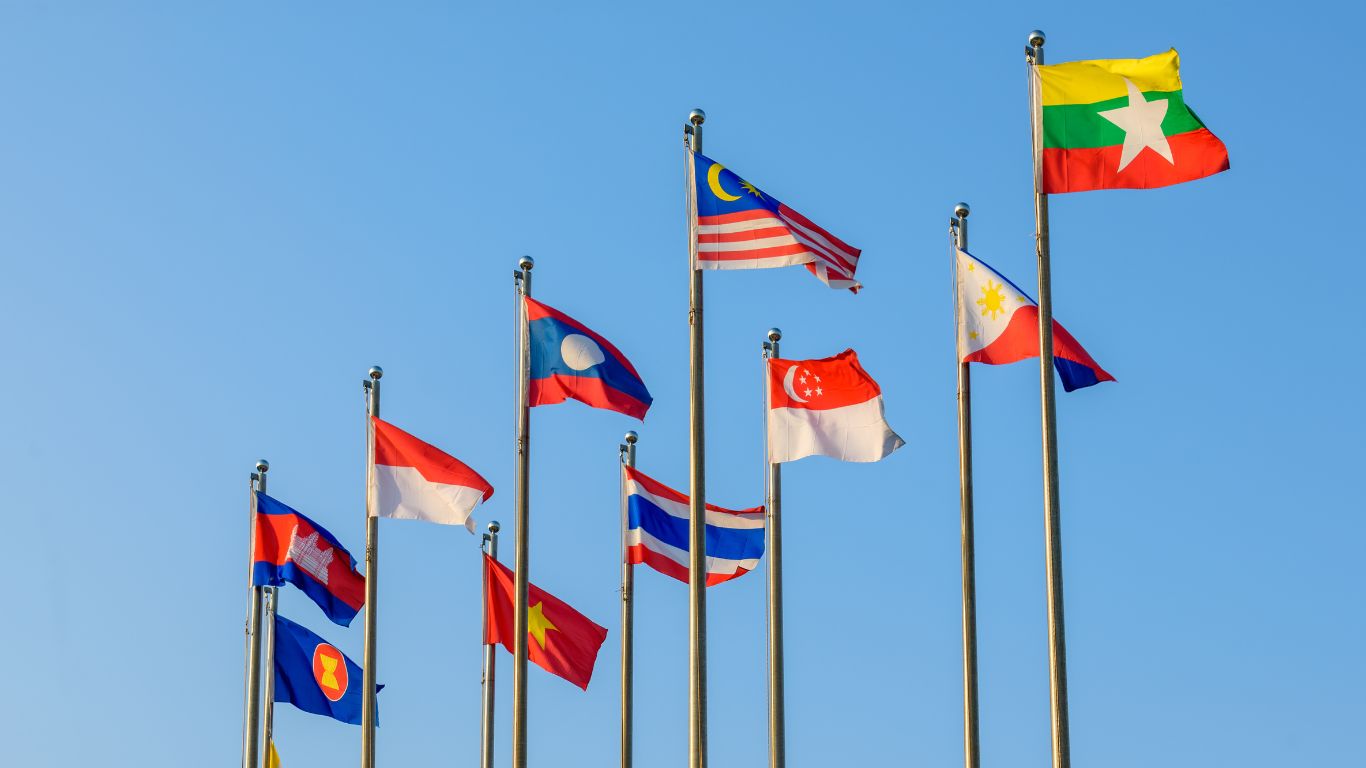
The Future of ASEAN: Building Economic Resilience Through Regional Trade
When former U.S. President Donald Trump returned to the White House and unleashed a new wave of aggressive tariffs in 2025, it wasn’t just another geopolitical headline.

When former U.S. President Donald Trump returned to the White House and unleashed a new wave of aggressive tariffs in 2025, it wasn’t just another geopolitical headline.
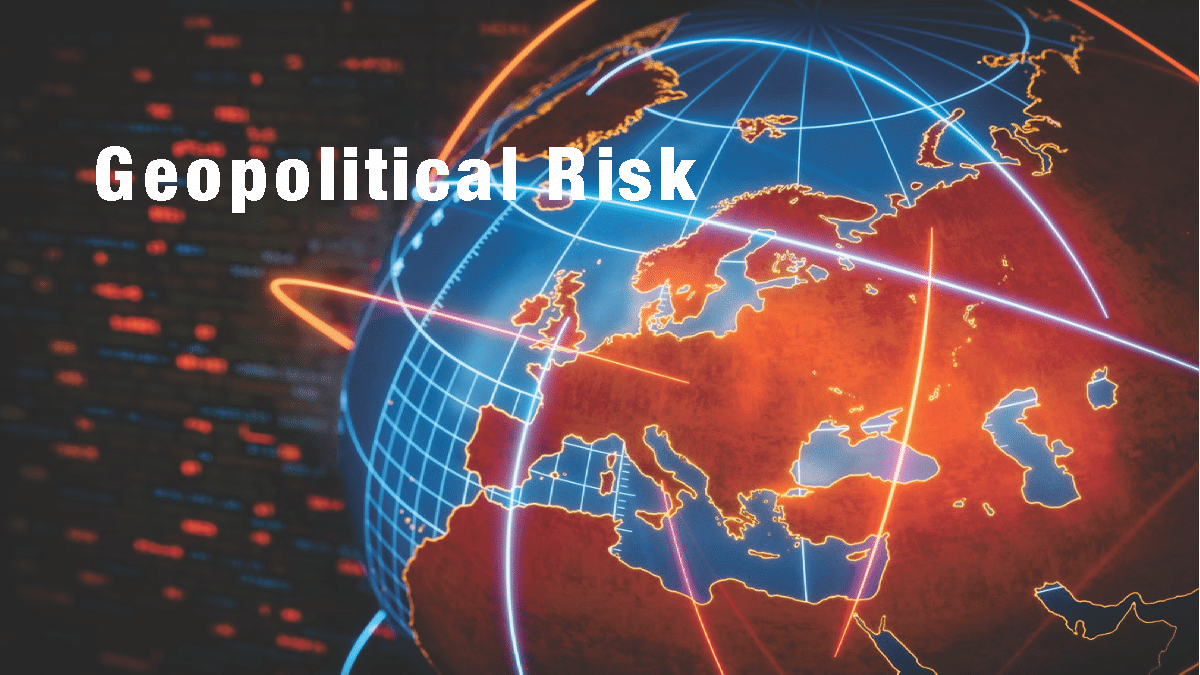
In today’s interconnected world, geopolitical tensions can no longer be treated as distant concerns. A single regional conflict or policy shift can disrupt global supply chains, drive up energy prices, and reshape markets overnight. This article explores practical strategies businesses can adopt to identify, assess, and respond to geopolitical risks. With real-world examples and proven frameworks, it offers a roadmap for building resilience in times of global uncertainty—because in an era where unpredictability is the norm, preparedness becomes your competitive edge.
Market cap is often used as an initial indicator to assess a company’s stability, growth potential, and risk profile. Company size generally correlates with its risk-return characteristics, capital structure, and resilience to economic shocks. Investors and business partners see market cap as a benchmark of a company’s strength and position within its industry.
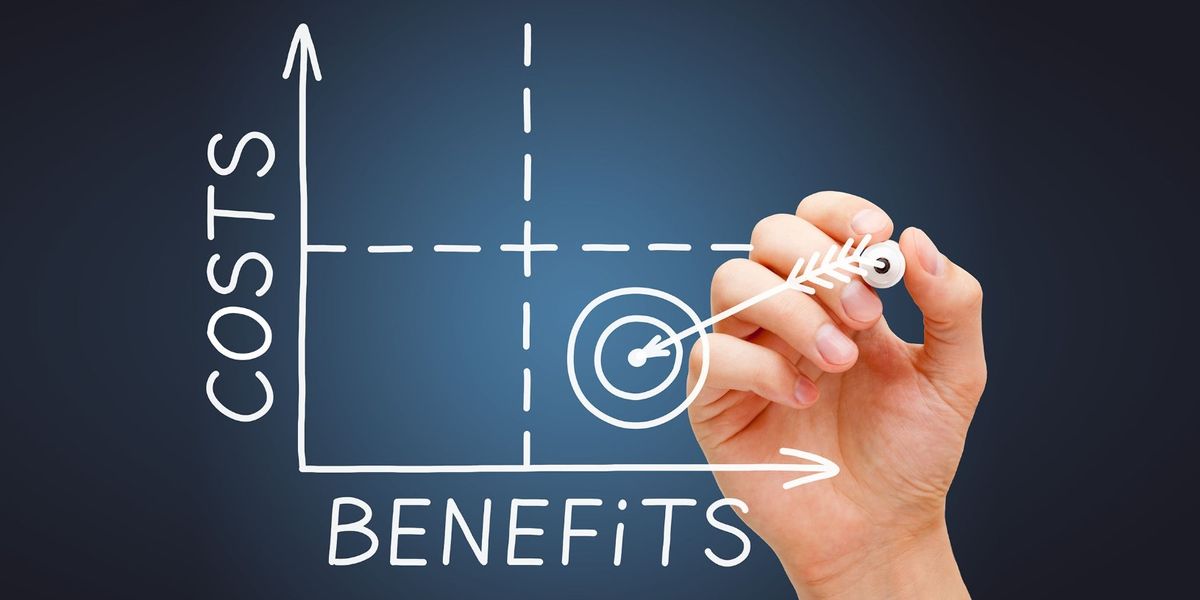
In the world of microeconomics, and especially in B2B projects, this analysis is not just a scribble of numbers on paper, it becomes the foundation that enables companies to make more rational, measured, and strategically aligned decisions.

For multinational companies, these challenges become far more complex. This is because operating in many countries means facing different regulations, cultures, economic conditions, and political situations.
They are faced with cross-border legal risks, foreign currency fluctuations, geopolitical instability, differences in work culture, and vulnerabilities in the global supply chain.

Fiscal policy was first introduced by John Maynard Keynes, and became widely adopted globally following the Great Depression after World War I in 1929. According to Keynes, the government has the right—and obligation—to manage national income and expenditure by setting taxes and creating policies to support macroeconomic stability.

Micro, Small, and Medium Enterprises (MSMEs) play an important role in the Indonesian economy, both in creating jobs and driving economic growth.
However, MSMEs also face various challenges and uncertainties that can threaten their business continuity, one of which is risk. Risk can arise from various aspects, such as finance, operations, market competition, regulatory changes, and technological threats.

As a financial administrator, the CFO is responsible for recording, monitoring, and reporting financial data accurately and in compliance with applicable accounting standards such as IFRS or PSAK.

Demand is the quantity of certain goods and services that are requested (purchased) at various possible price levels and within a certain period. Meanwhile, supply refers to goods or services that are offered (sold) at a certain quantity and price level and under specific conditions.

Tax planning is one of the important aspects of financial management for both companies and individuals. This is because taxes have a significant impact on cash flow, profitability, and long-term financial strategies.